Revel in the Curiosities of Tulips You Probably Never Imagined
Posted on 15/08/2025
Revel in the Curiosities of Tulips You Probably Never Imagined
Tulips are much more than colorful blossoms decorating spring gardens. Their story stretches across continents, centuries, and even economic bubbles, bringing together botany, art, history, and culture. This article invites you to delve deep into the intriguing universe of tulips--their origins, significance, and surprising facts that are sure to captivate both flower enthusiasts and casual readers alike.

The Enigmatic History of Tulip Cultivation
From the Wild to the Garden: The Journey of Tulips
Did you know that tulips originated not in the Netherlands, but on the wind-swept slopes of Central Asia? Wild tulips flourished in what is now Kazakhstan, Iran, and the mountainous regions of Turkey and Afghanistan. Their robust beauty caught the eye of travelers and botanists centuries ago, eventually inspiring the horticultural marvels we see today.
The Rise of Tulips in Ottoman Gardens
In the 16th century, tulips became a beloved symbol in the Ottoman Empire, adorning palace grounds and inspiring poetry. They held deep cultural meaning, representing both perfection and the fleeting nature of life. Ottoman sultans prized unique tulip varieties; cultivating them became a fashionable pursuit among the elite. The word "tulip" itself derives from the Persian word "delband," meaning turban, due to the flower's distinctive shape.
The Dutch Tulip Mania: The First Economic Bubble
No discussion about tulip curiosities is complete without the legendary tale of tulip mania. In the early 17th century, the Netherlands fell under the spell of tulips. Exotic and rare varieties fetched astronomical prices, often more than a skilled worker's annual salary. It is said that at the height of tulip mania, single bulbs were traded for townhouses in Amsterdam!
- Peak of the bubble: 1637
- Price for rarest bulbs: Up to ten times the annual income of a skilled craftsman
- Aftermath: The bubble burst almost overnight, leading to widespread financial distress.
*Tulip mania* remains a cautionary tale in economics, illustrating the dangers of speculative bubbles--a curiosity that still fascinates economists today.
Botanical Wonders of Tulips
A Rainbow of Colors: How Tulips Got Their Hues
Tulips are renowned for their vivid and varied colors--from fiery reds and blazing yellows to lush pinks, purples, and even mysterious blacks. But what causes this stunning diversity in tulip colors?
- Genetic Variation: Selective breeding over centuries has encouraged broad variations and the development of bold, solid hues as well as unique patterns like streaks and speckles.
- Viral Influence: Striking color patterns in tulip petals--known as "breaking"--are caused by the tulip breaking virus. Historically, these broken tulips were the most prized during tulip mania.
- Black Tulips: No true-black tulip exists, but varieties such as 'Queen of Night' offer a deep, velvety maroon so dark it appears black.
Unusual Tulip Species and Their Unique Forms
Beyond the familiar cup-shaped blooms, tulip species offer a dazzling array of forms and features:
- Fringed Tulips: Petals edged with frilly, delicate laces.
- Parrot Tulips: Wild, feathery petals in striking color combinations.
- Viridiflora Tulips: Marked by green streaks on the petals, a true botanical oddity.
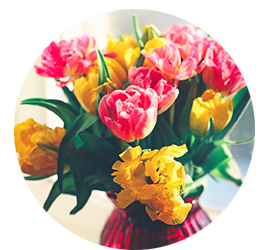
- Double Tulips: Lush, peony-like blooms with extra layers of petals.
Did you know? Some wild species, such as Tulipa tarda, have star-shaped, multi-colored flowers and are highly resilient, thriving in rocky and harsh environments.
Surprising Facts and Fascinating Trivia about Tulips
Tulips as Edible Delicacies
One of the most astonishing tulip curiosities is their use as food. During World War II, the Dutch suffered a severe famine. In desperation, people turned to tulip bulbs as a source of sustenance. Properly prepared, tulip bulbs can be eaten, though some varieties are toxic. Today, some gourmet chefs use tulip petals (never bulbs) to decorate salads or desserts, adding a subtle, crisp flavor.
Tulips in Folklore and Symbolism
Across cultures, tulips have symbolized everything from love and prosperity to charity and forgiveness. Different colors often carry specific meanings:
- Red tulips: Declaration of love
- Yellow tulips: Friendship or cheerful thoughts
- White tulips: Forgiveness or purity
- Purple tulips: Royalty or admiration
- Black tulips: Mystery or sophistication
The story of the black tulip inspired the famous 1850 novel "La Tulipe Noire" by Alexandre Dumas, further cementing tulips as symbols of intrigue and desire.
The Physics of Tulip Movement
Ever wondered why tulips seem to move or "wilt" toward the sun, even after being cut? Tulips exhibit a phenomenon called *nastic movement*: their stems continue to grow and bend in response to light and gravity even in a vase, unlike most flowers which remain static after cutting. This makes tulip arrangements fascinating to observe over time, as the flowers subtly "dance" for days.
Global Impact and Modern Tulip Culture
The Netherlands: Tulip Capital of the World
Although tulips did not originate in the Netherlands, the country is synonymous with tulip cultivation today. Here are some staggering facts:
- Annual Tulip Production: The Netherlands produces over 4 billion tulip bulbs annually, exporting to over 100 countries.
- Famous Tulip Festivals: Keukenhof Gardens annually displays 7 million flower bulbs in bloom.
- Signature Landscapes: Dutch fields covered in colorful strips of tulips attract millions of tourists each spring.
Tulips are integral to the Dutch economy and culture, featuring in art, postage stamps, and even as royal gifts.
Tulips in Art, Fashion, and Pop Culture
Few flowers have inspired as many artists as tulips have. From sumptuous still-life paintings of the Dutch Golden Age to contemporary floral designs, the tulip's elegant, simple shape captivates creativity. Tulip motifs adorn textiles, ceramics, and jewelry. Even high-fashion designers have drawn inspiration from tulip forms for avant-garde catwalk creations.
Modern Breeding and Rare Tulip Varieties
Today's breeders use advanced techniques to create ever more exotic tulip hybrids:
- New colorations and patterns: Modern tulips now come in gradients, stripes, and multi-hued petals never seen before.
- Miniature and gigantic varieties: Tulips now range from tiny, delicate species to towering, sunflower-high showstoppers.
- Longevity and disease resistance: Breeders focus on hearty bulbs that bloom longer and survive harsher environments.
Always on the lookout for a new marvel, tulip enthusiasts eagerly await each year's debut of stunning new cultivars at international flower shows.
How to Grow and Enjoy Tulips: Gardener's Guide
Tips for Growing Tulips in Your Garden
Want to create your own tapestry of tulip color? Follow these helpful tips:
- Choose the Right Bulbs: Opt for healthy, firm bulbs free from blemishes or mold.
- Planting Depth: Plant bulbs at a depth of 6 to 8 inches, with the pointed end upward.
- Optimal Timing: Plant in the autumn, about 6 weeks before the ground freezes.
- Well-Drained Soil: Tulips detest soggy soil--ensure good drainage to prevent rot.
- Sunshine: Tulips perform best in full sun, though some varieties can tolerate partial shade.
With care, tulips can naturalize and return year after year, providing consistent springtime cheer.
Extending the Tulip Season
A little planning allows gardeners to enjoy a long tulip blooming season:
- Early, Mid, and Late-Bloomers: Select varieties with different bloom times for a succession of color from early March through late May.
- Companion Planting: Mix with daffodils, hyacinths, or muscari for dynamic visual displays and added pest resistance.
- Cut Tulips: Harvest tulips just before the buds open for the longest-lasting indoor bouquets.

Frequently Asked Questions about Tulips
Are Tulips Safe for Pets?
Tulip bulbs contain toxins that can be harmful to dogs, cats, and other animals if ingested. It's important to keep tulip bulbs out of reach of pets and children.
Why Aren't All Tulips Perennial?
While wild tulips are perennial, many hybrid garden tulips are bred for a single, spectacular bloom season, particularly in warmer climates. Some varieties, like Darwin Hybrid tulips, will return for several years if planted in optimal conditions.
What Was the Most Expensive Tulip?
During tulip mania, the most coveted variety was the Semper Augustus. Its crimson and white streaked petals made it astronomically valuable--reportedly over 10,000 guilders for a single bulb, more than the value of a luxurious Amsterdam house!
Conclusion: The Enduring Charm of Tulip Curiosities
Tulips continue to enchant us with their resilient beauty, rich history, and cultural significance. From wild mountain flowers to coveted economic assets and beloved garden staples, tulips have worn many guises throughout history. Whether you're a seasoned gardener or a lover of floral tales, the world of tulips is full of curiosities just waiting to be discovered. The next time you see a tulip, remember: there's much more to these elegant blooms than meets the eye.
Let your imagination blossom--revel in the wonders of tulips you probably never imagined!
Latest Posts
Unveiling the Mystery of Orchid Growth
Step-by-Step Guide to Effortlessly Preserve Your Flowers
Revel in the Curiosities of Tulips You Probably Never Imagined